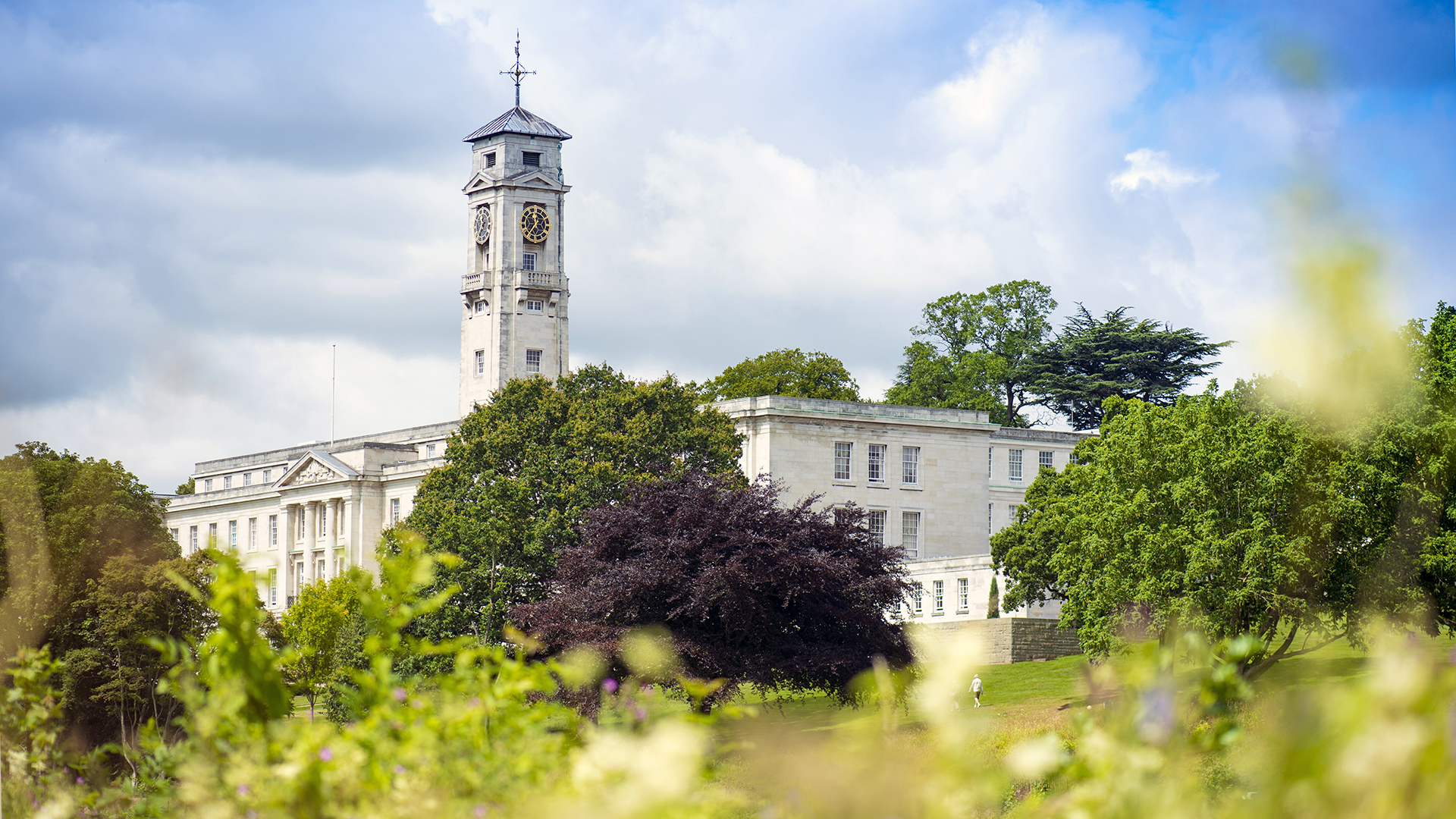
The inaugural IAA Planetary Sunshade Workshop will be hosted by the University of Nottingham, on its University Park campus. Located in the heart of the United Kingdom, the University of Nottingham is a world top 100 university (97) and top 20 in the UK (17), QS World University Rankings 2026. With campuses in the UK and Asia, it offers exceptional education, an outstanding student experience and world-changing research empowering trailblazer and pioneers to tackle global challenges beyond borders.
The University of Nottingham is centrally located in the United Kingdom, with easy access to several international airports offering a range of options, each served by a range of airlines at different price points, including all major budget airlines. Between them, these airports provide direct flights to over 220 destinations in over 85 countries. The closest international airport is East Midlands (EMA), which has a direct bus link to the university taking approximately 30 minutes. London Luton airport (LLA) has a direct rail link to Nottingham and serves several European destinations. Other accessible airports include Birmingham (BHX), Manchester (MAN), London Heathrow (LHR), and London Gatwick (LGW). Both rail and bus transport options are available from all airports to Nottingham city centre.
Nottingham city centre is widely accessible via National Rail services, including direct trains from Nottingham to London St Pancras International, offering connections to Eurostar rail services to continental Europe. Nottingham railway station is connected to the university via the Hucknall - Toton Lane tram route running every 7 minutes during the day, taking approximately 15 minutes.
Local transportation options around the venue include several bus and tram routes, which all offer tap-on ticketing via contactless payments for easy purchasing. These routes link the university to the city centre, and provide easy access to most local accommodation options. Services are frequent from early morning until late at night, with some routes providing infrequent 24/7 services. All public transport in Nottingham provides step-free access.
The closest public transport stops to the venue are:
We recommend downloading the Ride app prior to arrival in Nottingham, which provides route planning, and live times for all public transport in the East Midlands.
Most international visitors to the United Kingdom will require an electronic travel authorisation (ETA), or a Standard Visitor visa. Attendance at a conference, including speakers, is generally considered as tourism activity in the UK, however we strongly encourage you to check on the UK Government website to confirm the exact documentation you require prior to travel.
Passport holders from over 80 countries and regions are eligible for an Electronic Travel Authorisation. This can be applied for online via gov.uk, or via the official mobile app. The cost of an ETA is £20 (as of 8th April 2026), and remains valid for up to two years. An ETA is usually received within 24 hours of applying, however can take up to 3 working days. Please note the 4th of May is a bank holiday across the whole UK. We recommend applying for an ETA at least one week prior to travelling to Nottingham.
For citizens of countries who require a Standard Visitor visa, you must apply online and attend an appointment at your nearest visa application centre. The cost of a Standard Visitor visa varies, starting from £127. You will usually get a decision about your visa within 3 weeks, however we strongly recommend applying as early as possible. If you require any supporting documentation, please contact us via sunshadeworkshop@nottingham.ac.uk.
Several accommodation options are available, both within walking distance directly on the university campus, or accessible via public transport.
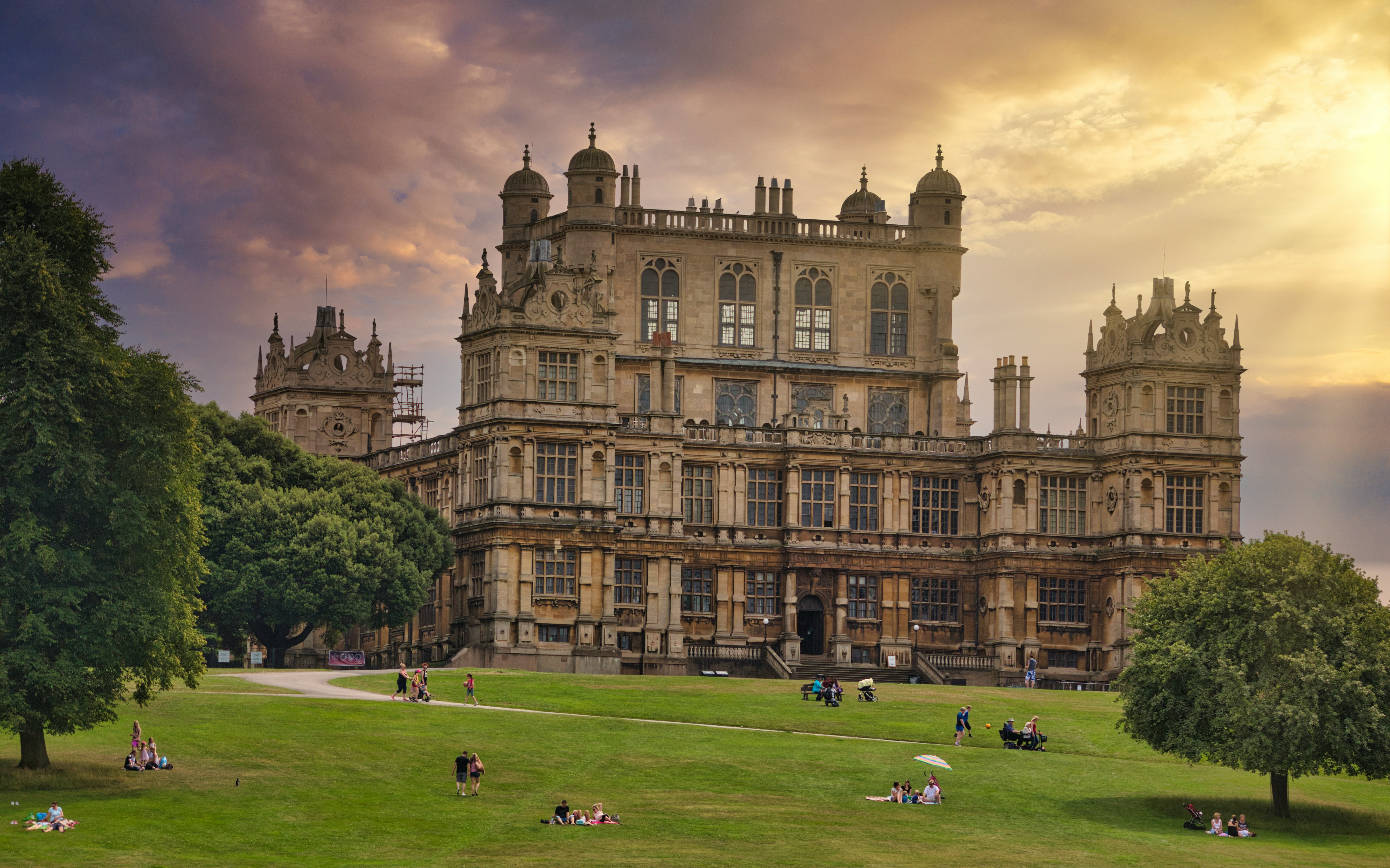
Wollaton Park is located adjacent to the University of Nottingham, with 500 acres of green space. Home to several herds of deer, the park is a designated local nature reserve with a diverse range of species. Central to the park is Wollaton Hall, a Grade I listed country house built in the late 1500s. Today, the hall houses the Natural History Museum and the Nottingham Industrial Museum, both showcasing the history of Nottingham. Throughout the year, Wollaton Park hosts various events in its grounds.
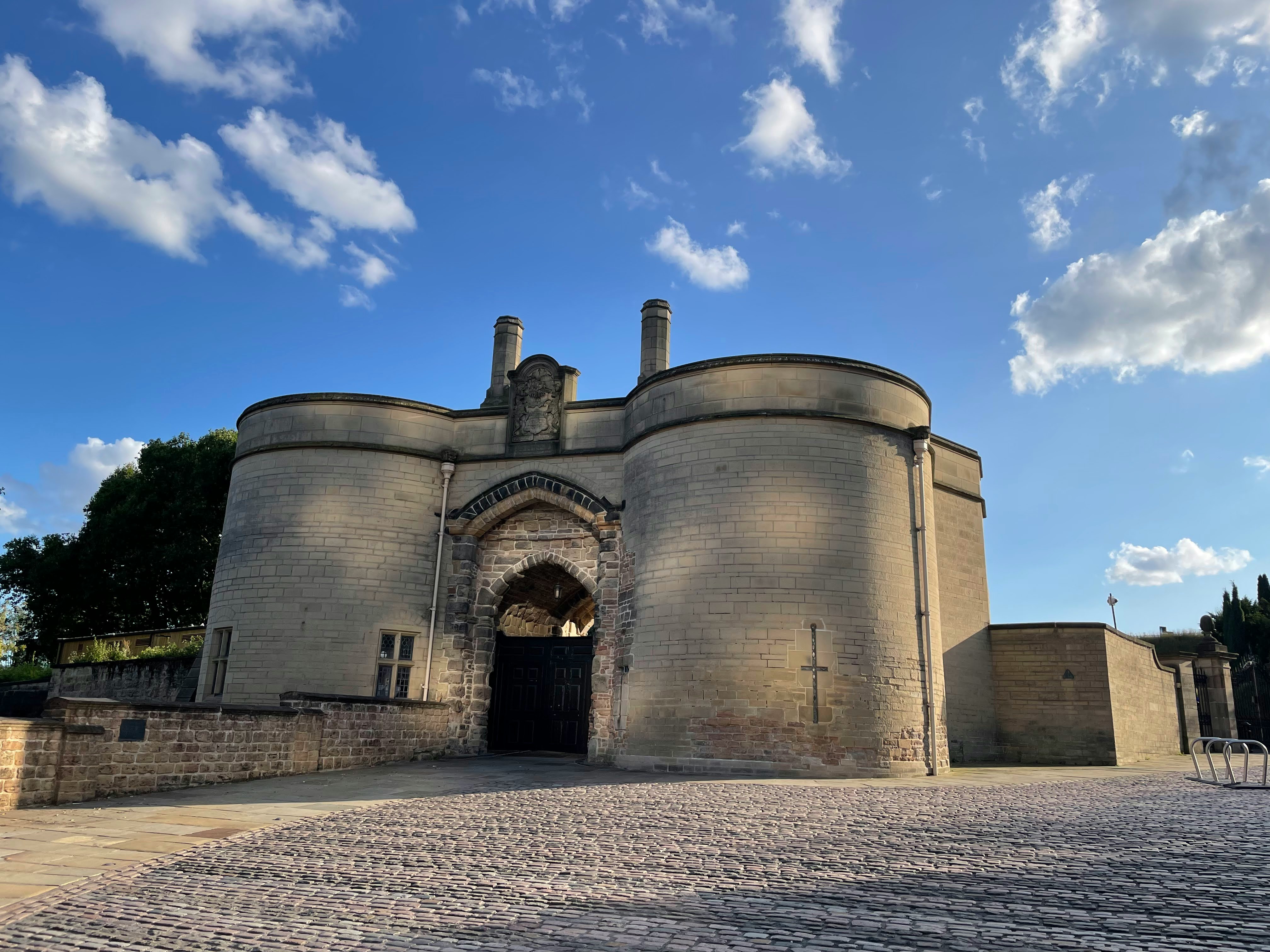
Nottingham Castle is situated in Nottingham city centre, on the aptly-named Castle Rock. With the first structure on the site dating back to the 1060s, the castle has served as a royal fortress through several battles, and is mentioned as the scene of the final showdown in the legends of Robin Hood. Used as the primary residence for a number of monarchs, the castle has housed parliaments and was the site of Edward IV's proclamation. As a key site in the English Civil War, the original castle was destroyed after the execution of Charles I, and the current building was built in the 1600s following the restoration of the monarchy.
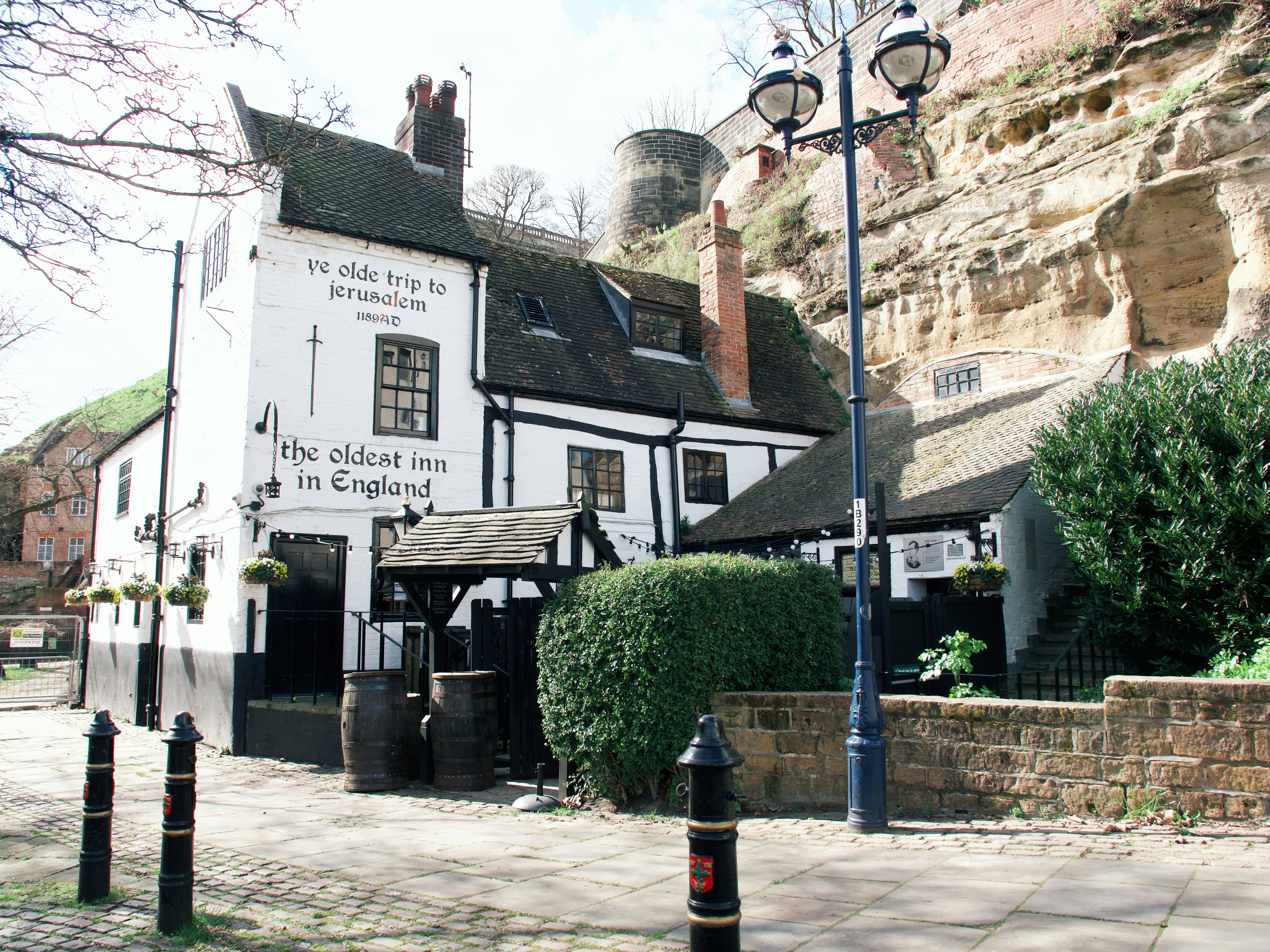
Located just below Castle Hill, Ye Olde Trip to Jerusalem claims to be the oldest pub in England, having first being established in 1189. Built into the cliff under Nottingham Castle, the pub's cave cellars have been used for ale storage for centuries. Once a well-known stop for crusader knights, it is said that King Richard the Lionheart and his men are more than likely to have gathered at this historic royal dwelling before journeying to Jerusalem in 1189, thus giving the pub its unusual name.
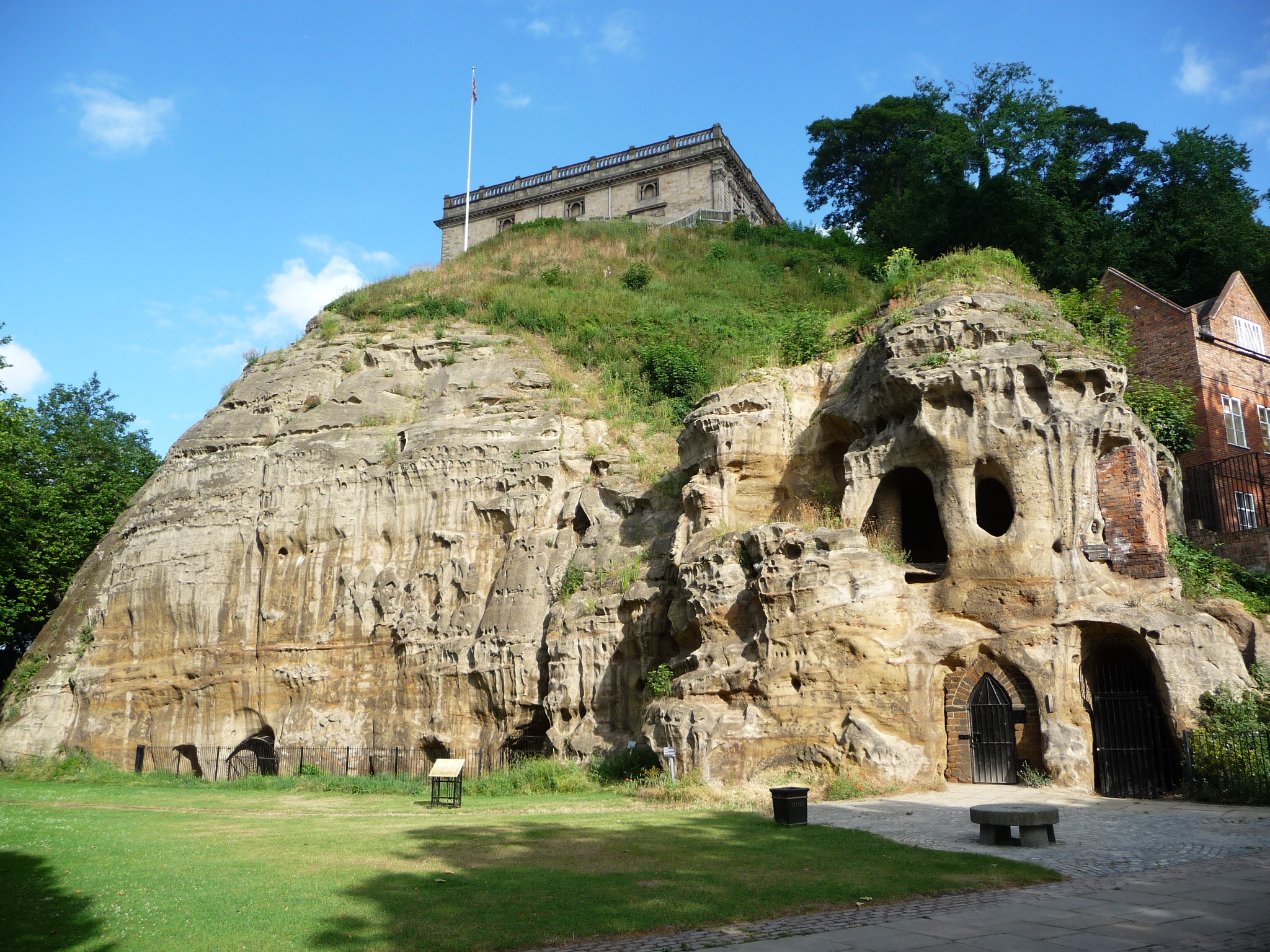
With over 900 underground caves currently spanning the city, the City of Caves experience lets you discover the caves. Carved out of sandstone all the caves are artificial, with references from the year 893 indicating a widespread cave system was already established in the city. Throughout history, the caves have seen use as a tannery, public houses, residential slums, and air raid shelters in World War II.
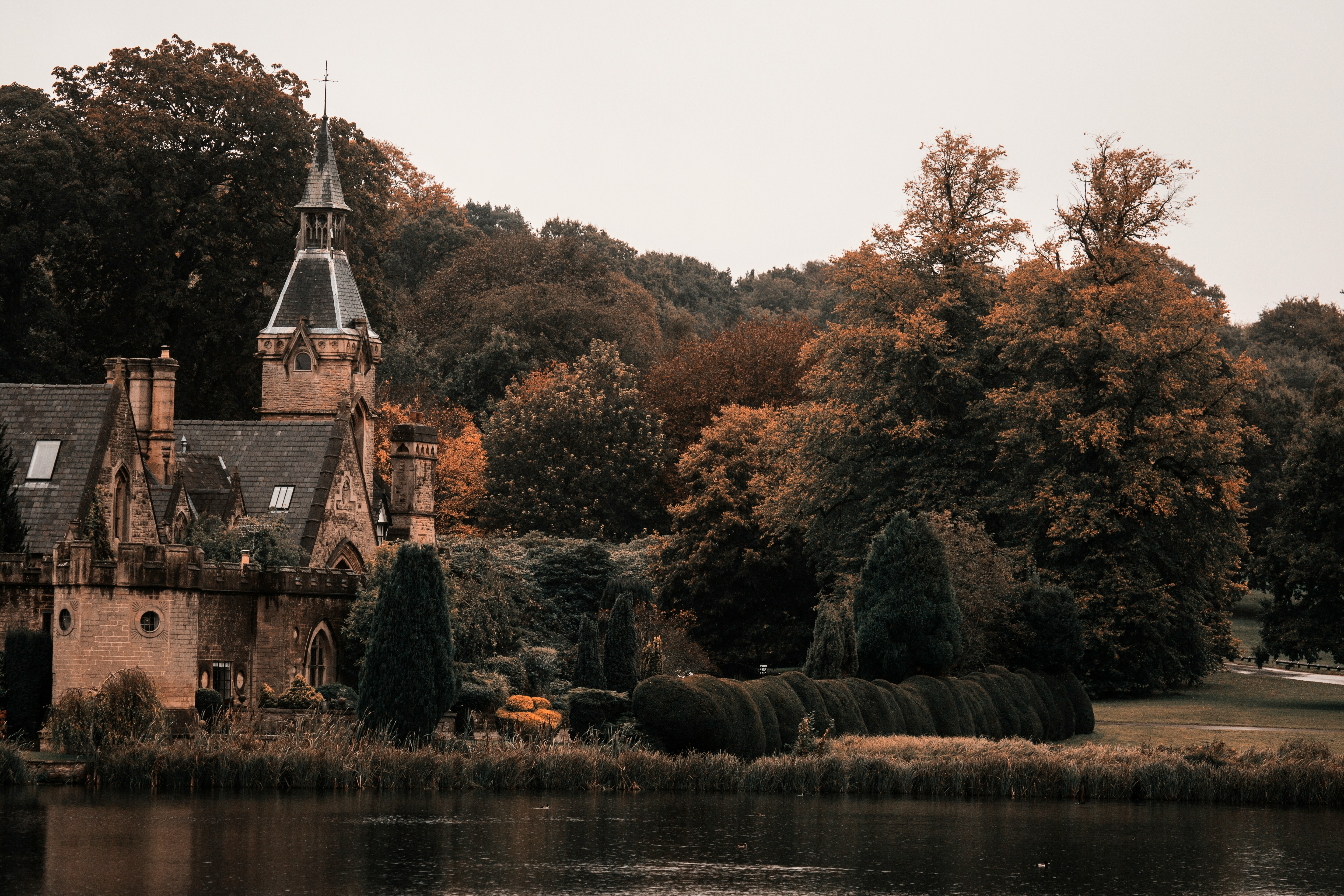
Situated around 30 minutes away from the city, Newstead Abbey is located within a large country park, and is best known as the ancestral home of Lord Byron. Dating back to the around 1170, the site has gone through several iterations, with the current structure being gifted to the Byron family by Henry VIII in 1540. Today, the Abbey houses a museum, and the park is open to the public.